Omicho Market Kanazawa: What to Eat, Best Time & Walking Map
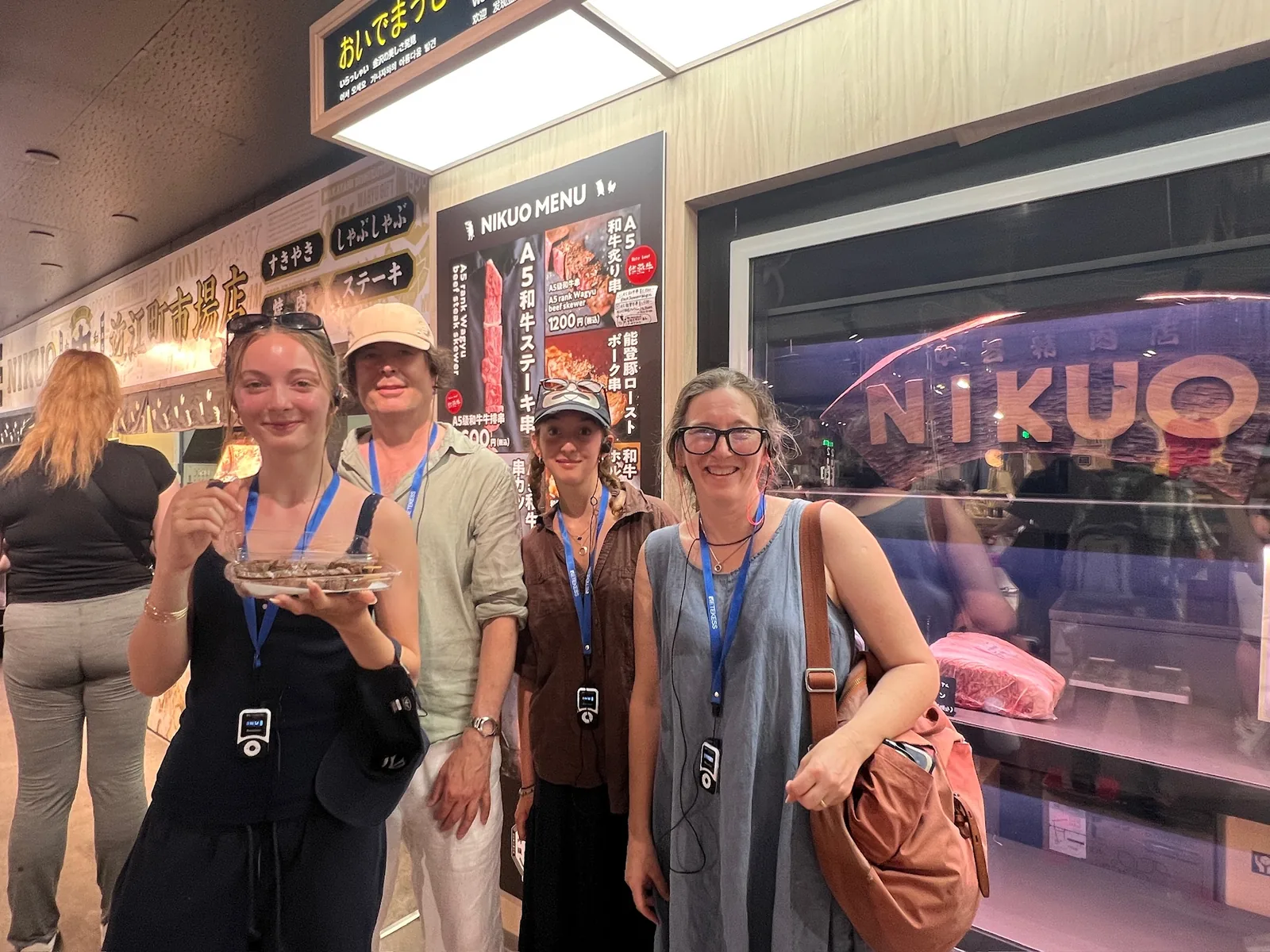
Omicho Market is Kanazawa’s best-known food market, but a first visit raises practical questions: when should you arrive, what should you eat, how much time and money do you need, and which entrance should you use? This guide answers those questions with a realistic route created by a Kanazawa walking-tour operator.
Is Omicho Market worth visiting?
Yes—especially if you want to understand Kanazawa through food. Omicho has supported the city’s kitchens for more than 300 years and contains about 170 independent businesses, including fishmongers, produce shops and restaurants. It is both a visitor attraction and a working local market, so the experience is more rewarding when you arrive with a simple plan rather than following the first queue.
If you dislike crowds, visit in the morning and treat the market as a place to browse and taste one or two things. If lunch is your priority, arrive before the main noon rush and keep a second restaurant option in mind.
Is Omicho Market a tourist trap?
No—but the busiest lunch corridor can feel touristy if you arrive at noon and join the first long queue. Omicho is still a working food market used by local residents and restaurants, with independent fishmongers, produce shops and prepared-food counters alongside visitor-focused seafood restaurants.
To get better value and a more local experience, visit on a weekday morning, compare posted prices before ordering, walk beyond the first crowded aisle and decide whether you want a full seafood meal or only one seasonal snack. If a restaurant queue is long, use the official market map to find another option rather than assuming the busiest shop is the best one.
Best time to visit Omicho Market
| Time | Best for | What to expect |
|---|---|---|
| 9:00–10:00 | Fresh displays, photos and a quieter walk | Some restaurants and snack counters may not yet be open. |
| 10:00–11:30 | Best overall first visit | Good balance of open shops, food choices and manageable crowds. |
| 11:30–13:30 | Sushi or kaisendon lunch | Most food options, but the longest queues. |
| After 14:00 | A short, flexible visit | Some popular items may be sold out and shops may begin closing. |
Important: Omicho is a collection of independent businesses, not one venue with a universal schedule. Visit Kanazawa gives a general 9:00–16:00 range, but you should confirm the shop or restaurant you care about on the day.
How to get there and where to enter
From Kanazawa Station, walk about 15–20 minutes or take a bus to Musashigatsuji / Omicho Market. For this route, use the Musashi Entrance (むさし口) beside the Omicho Ichibakan area. Google Maps may show the building rather than a separate entrance pin, so use the official market map for the final few metres.
Open the entrance area in Google Maps · Open the official English market map
What to eat at Omicho Market
| Food | Why try it | Season / style | Raw? |
|---|---|---|---|
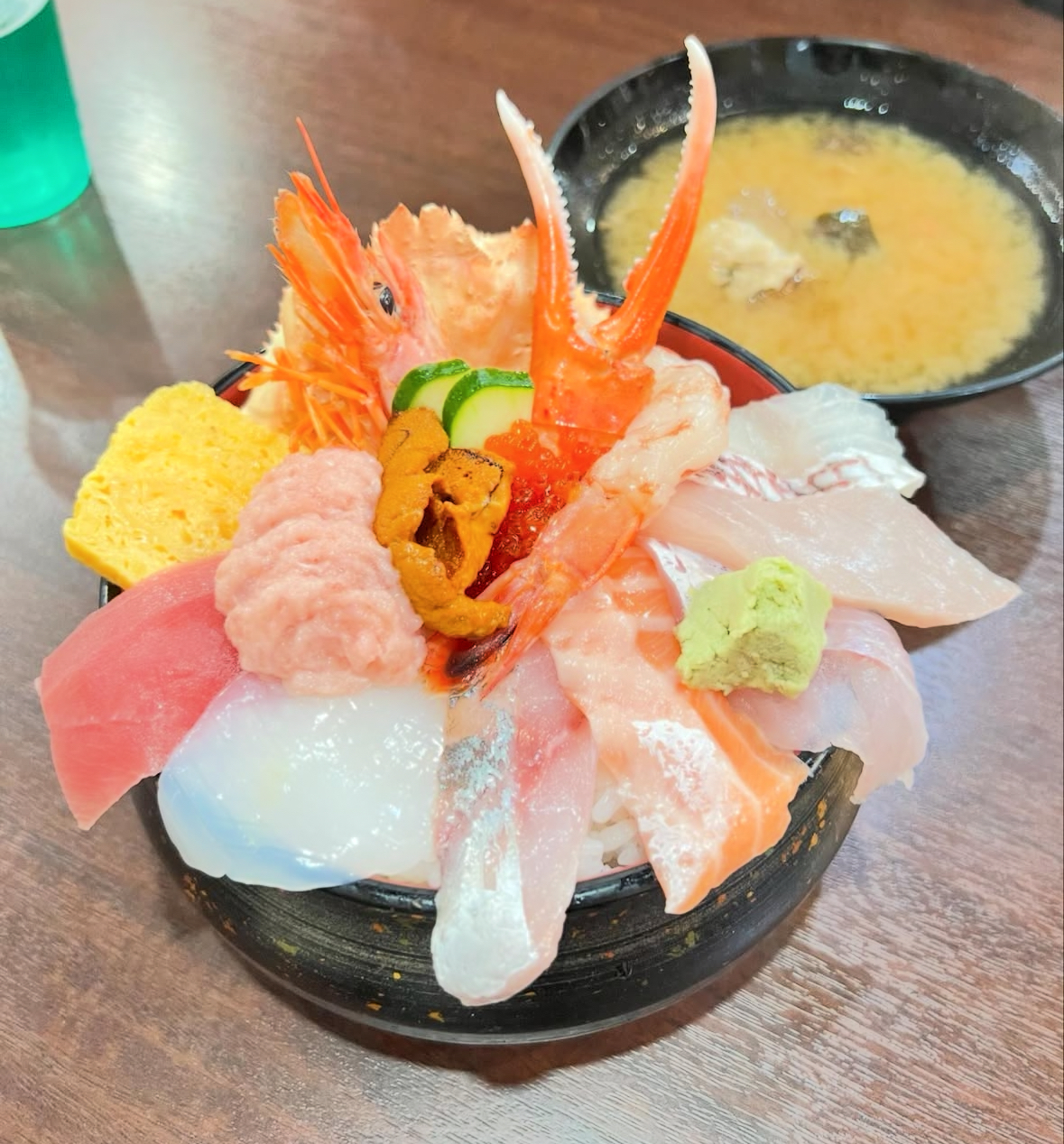
| Kaisendon | Several types of seafood in one rice bowl | Year-round; toppings change | Usually yes |
| Sushi | Choose individual pieces and ask what is seasonal | Year-round | Usually yes |
| Sweet shrimp | A Sea of Japan specialty with a soft, sweet flavor | Availability varies | Usually yes |
| Nodoguro | Rich local fish, excellent grilled with salt | Ask for the day’s preparation | Available cooked |
| Seasonal crab | A winter highlight in Ishikawa | Mainly colder months | Cooked options common |
| Croquettes / grilled food | Fast, warm and useful for non-raw eaters | Year-round by shop | No |
| Kaga vegetables | Shows the market beyond seafood | Seasonal | Varies |
| Japanese sweets | A light finish or seafood-free option | Year-round | No |
If you do not eat raw fish
You can still enjoy Omicho. Look for grilled fish, croquettes, cooked meat, vegetables, fruit and sweets. Vegetarian and allergy needs require more care: explain the restriction directly to the shop because broth, sauces and shared cooking equipment may not be obvious from the display.
A practical 60–90 minute walking route
Enter at Musashi Entrance
Pause just inside, check the official map and decide whether your priority is a quick snack or a seated lunch.
Browse the seafood lanes first
See what is genuinely seasonal that day. Compare portions and prices before committing to the first photogenic display.
Continue through produce and prepared foods
Look for Kaga vegetables and a cooked alternative. This gives non-seafood eaters a meaningful part of the route.
Choose one snack
Eat at the place indicated by the seller rather than walking through a crowded lane. Return packaging to the shop’s designated bin.
Finish with sushi or kaisendon
Use Omicho Ichibakan and the official map to find a second option if your first choice has a long queue.
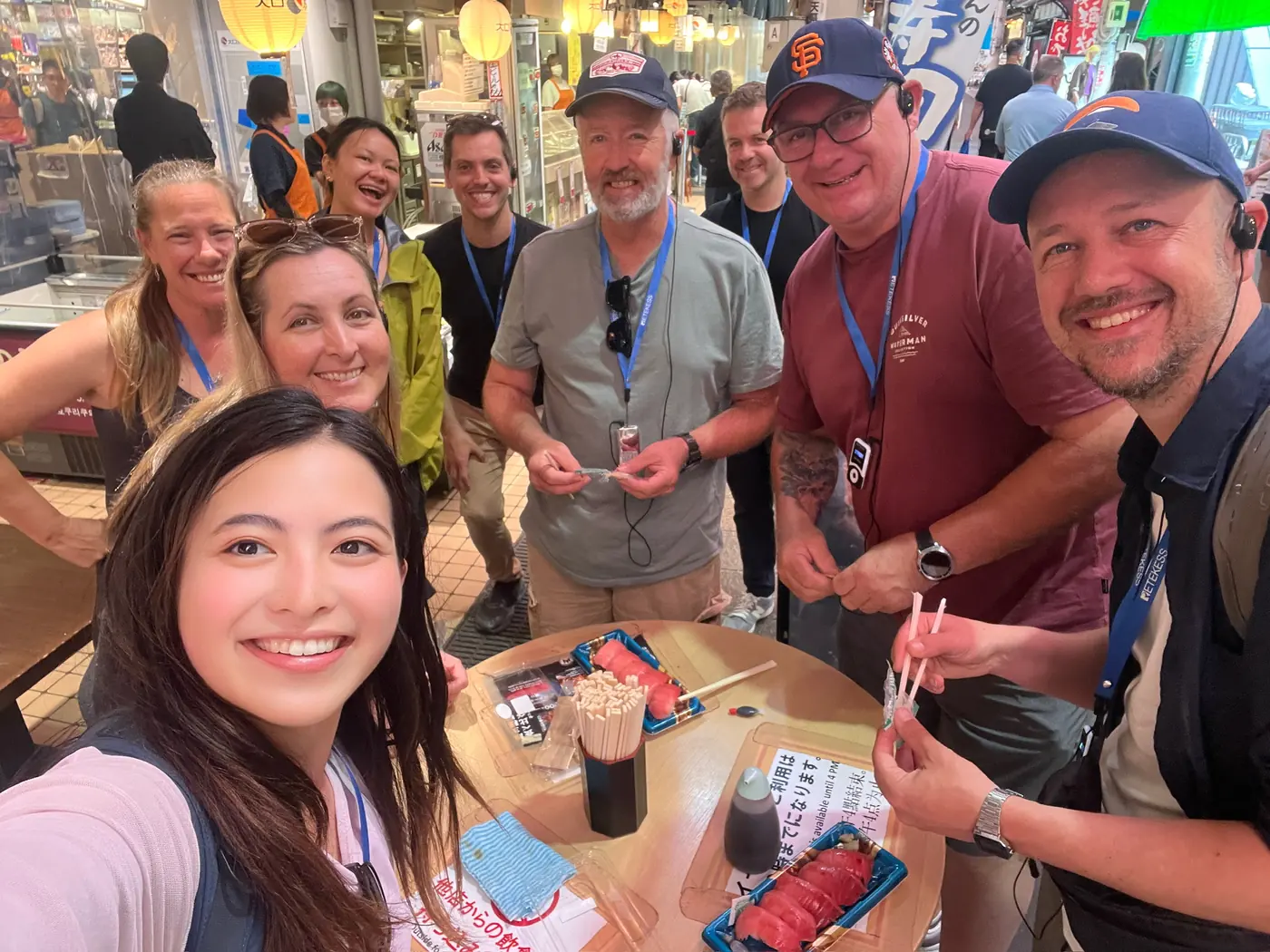
Where should you eat?
Quick snack
Best when you have less than one hour. Choose one cooked or seasonal item and continue sightseeing.
Kaisendon
Best when you want several seafood varieties in one meal. Compare bowl size, toppings and the posted total price.
Sushi
Best when you want to choose individual pieces or ask for the day’s recommendation.
Non-seafood meal
Check prepared-food counters and Omicho Ichibakan rather than assuming every restaurant is seafood-only.
We do not call one shop the universal “best.” Menus, queues, prices and opening days change. Check the market association’s current shop information and the live Google listing before building your visit around a specific business.
Budget and payment
| Plan | Planning estimate | Suitable for |
|---|---|---|
| One or two snacks | JPY 500–1,500 | A short market walk |
| Kaisendon lunch | JPY 2,000–4,500 | A complete, easy-to-order meal |
| Sushi / premium seasonal seafood | JPY 3,000+ | Travelers prioritizing food quality and choice |
These are planning ranges, not fixed prices. Bring some yen even if you prefer cards; payment methods differ by shop.
Common mistakes to avoid
- Assuming every shop follows the same opening hours.
- Planning a Wednesday visit without checking your preferred businesses.
- Joining the first long queue without comparing menus and portions.
- Eating while walking through a crowded lane instead of using the seller’s eating area.
- Throwing packaging into another shop’s bin.
- Arriving with large luggage when station storage would make the visit easier.
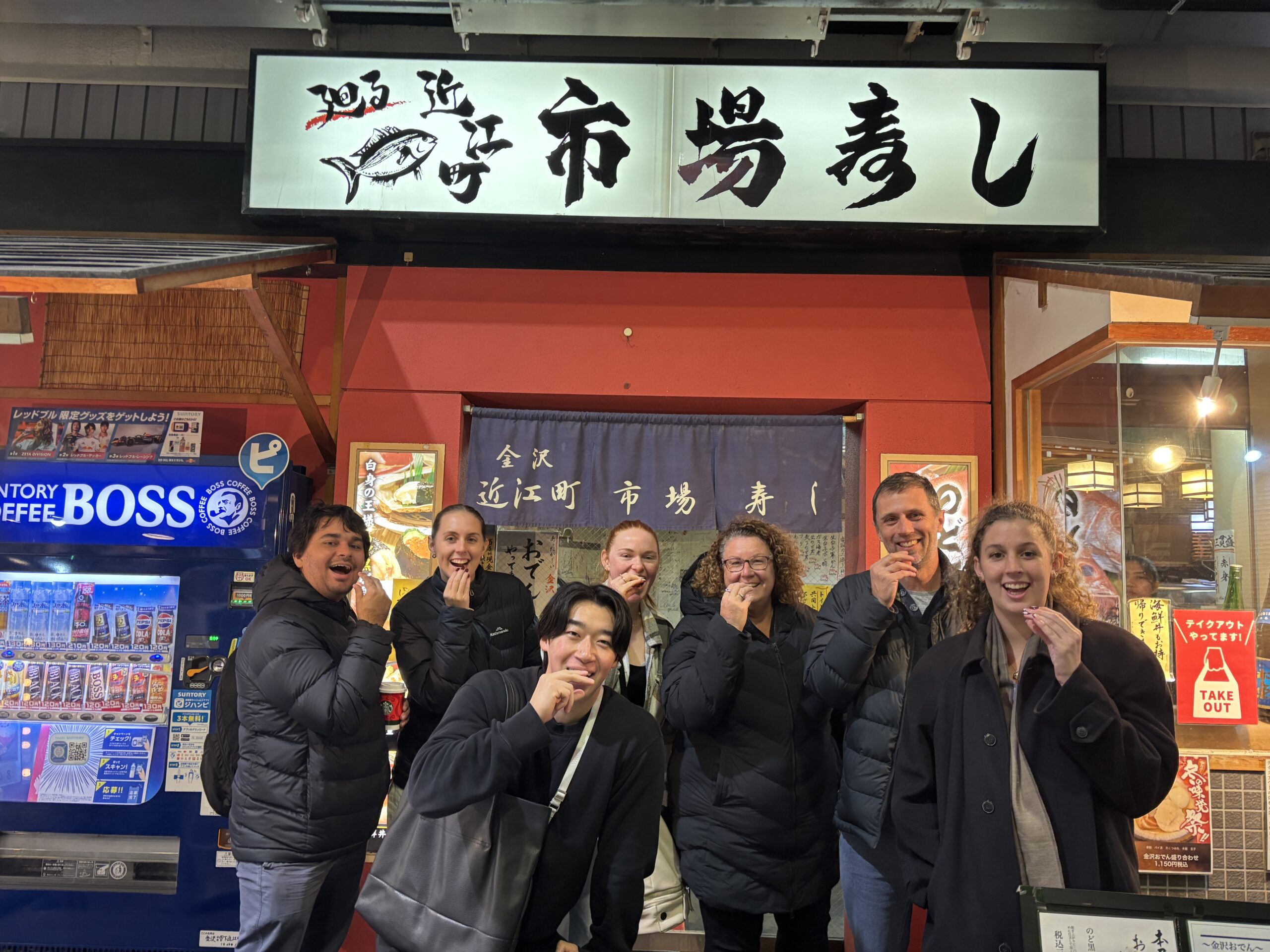
Explore alone or with a local guide?
Self-guided works well when…
You enjoy comparing menus, can adjust when shops are closed and mainly want a meal or short browse. Use the official map and this route.
A guide helps when…
You want context about ingredients and Ishikawa food culture, help communicating with shops, or an efficient route continuing into historic Kanazawa.
Explore Omicho Market with a Local Guide
Amazing Tour Japan’s live tour listing shows the current schedule, language options, route and what is included. Food purchases are confirmed on the booking page rather than assumed in this guide.
Prefer to compare first? See the Kanazawa food-tour details.
What to visit after Omicho Market
- Nagamachi Samurai District: about 15–20 minutes on foot, depending on your route.
- Kanazawa Castle and Kenrokuen: continue toward the castle area by foot or local bus.
- Higashi Chaya District: continue northeast; check the live walking route before leaving the market.
- Kanazawa luggage storage: useful if you arrived with suitcases.
Frequently asked questions
Is Omicho Market open every day?
There is no single schedule for every business. Many specialist shops close on Wednesdays, while restaurants and other stores may follow different days. Confirm the places you care about.
Can I eat breakfast at Omicho Market?
Some businesses open early, but the widest selection is generally later in the morning. Check the individual restaurant before relying on it for breakfast.
Do I need a reservation?
No reservation is required to enter or browse. A specific restaurant or guided tour may have its own booking policy.
Is Omicho Market suitable for children?
Yes, but the lanes can become crowded. Keep children close, avoid blocking shop fronts and choose a shorter route if needed.
Are there vegetarian options?
Fruit, vegetables, sweets and some prepared foods are available, but broths and sauces may contain fish. Confirm ingredients directly with the seller.
Can I enjoy the market without eating raw fish?
Yes. Choose grilled seafood, croquettes, cooked dishes, produce or sweets.
Where should I leave luggage?
Use lockers or staffed storage near Kanazawa Station before entering the narrow market lanes. See our linked luggage guide.
Is Omicho Market good on a rainy day?
Much of the market is covered, making it a useful rainy-day stop. You will still need protection while traveling to and from the entrances.
How long do I need?
Allow about 60 minutes to browse and try a snack, or 90–120 minutes if you want a seated lunch.
Can I eat while walking?
Follow each seller’s instructions. Use the designated eating space and return rubbish to the seller’s bin.
Visitor information checked September 2026. Sources: Visit Kanazawa, Omicho Market Association and the official English map. Always recheck individual shops.
- Guest Voice: “A Highlight of Our Kanazawa Trip!” (Omicho Market & Higashi Chaya Tour)
- Kanazawa Food Tour: Omicho Market & Historic District Walk
関連記事
-
 観光の現場に、AIという新しい標準を。Tour Webが変えるツアーオペレーション
-
AI同時通訳ガイドはもう未来の話ではない。150言語対応に挑戦する26歳が語る観光DX
-
ツアーガイド業界は、AIでもっと進化できる。現場から生まれたTourWeb
-
予約管理で終わらない。TourWebは、当日のツアー運営までつなぐ。
-
GPT-6 Astraの登場で、観光は次のフェーズへ。AI同時通訳とOptimusが変えるツアーガイドの未来
-
予約が増えるほど、現場が忙しくなる。その課題から生まれたTourWeb
-
Amazing Tour Japan 採用情報|新テナントの立ち上げメンバー募集
-
Kanazawa Samurai District (Nagamachi): Walking Map, Sights & Local Tips