15 Best Things to Do in Kanazawa (2026): Local Guide, Map & Itineraries

Start with your time and interests
If you have one day, prioritize five connected places rather than fifteen disconnected stops. Use the choices below to choose the right planning guide, then build one logical route.
Kenrokuen, Castle, Omicho, Nagamachi and Higashi Chaya.
Begin at Omicho in the morning and reserve dinner rather than waiting until evening.
Favor the market, museums, craft experiences and short taxi connections.
Short answer: For a first visit to Kanazawa, prioritize Kenrokuen Garden, Kanazawa Castle, Omicho Market, Higashi Chaya District and the Nagamachi Samurai District. With one full day, follow the route below; with two days, add contemporary art, crafts and an evening food experience.
Kanazawa combines samurai history, traditional teahouse districts, one of Japan’s most celebrated gardens, a working food market and a strong contemporary craft culture. Most major sights sit within a compact central area, so the city rewards travelers who plan a logical walking route instead of crossing town repeatedly.
This guide is written and maintained by Amazing Tour Japan, a Kanazawa-based walking tour operator. Our recommendations reflect routes used with international guests and are checked against official visitor information. Opening days, transport and admission conditions can change, so confirm details on the linked official websites before travel.

Kanazawa at a Glance
| What you want | Best place | Allow |
|---|---|---|
| Classic first visit | Kenrokuen + Kanazawa Castle | 2–3 hours |
| Samurai history | Nagamachi + Nomura Residence | 1.5–2 hours |
| Local food | Omicho Market | 1–1.5 hours |
| Traditional atmosphere | Higashi Chaya + Kazuemachi | 1.5–2 hours |
| Modern art | 21st Century Museum | 1.5–2 hours |
| Evening food and drinks | Katamachi + Kiguramachi | 2–3 hours |
Best Kanazawa Route by Available Time
If you have 3 hours
Kenrokuen → Kanazawa Castle → 21st Century Museum. This compact route gives you garden design, samurai-era history and modern Kanazawa without spending much time in transit.
If you have one full day
Omicho Market → Higashi Chaya → Kazuemachi → Kanazawa Castle → Kenrokuen → Oyama Shrine → Nagamachi → Katamachi. Start around 9:00, leave flexibility for lunch and finish near the city’s main dining area. This sequence minimizes backtracking.
If you have two days
Use day one for the essential route above. On day two, add the 21st Century Museum, a craft workshop, a slower visit to Nagamachi and an evening food experience. See our detailed Kanazawa two-day itinerary.
Kanazawa Walking Map and Route
Useful official walking estimates include approximately 15 minutes from Kanazawa Station to Omicho Market, 9 minutes from Omicho to Kanazawa Castle’s Otemon Gate, 3 minutes from Kenrokuen’s Mayumizaka Gate to the 21st Century Museum, and 15 minutes from Kenrokuen to Nagamachi. Weather, crowds and mobility needs can change these times. Check the official Visit Kanazawa transport guide.
1. Walk Through Kenrokuen Garden
Kenrokuen is Kanazawa’s signature garden and the best place to begin understanding the city’s aesthetics. Ponds, streams, bridges, lanterns and carefully shaped trees create different views with every turn. Spring blossoms, summer greenery, autumn color and winter yukitsuri each change the experience.
Local tip: Enter early when possible, walk beyond the famous Kotoji lantern and allow at least 60–90 minutes. Check current hours and admission on the official Kenrokuen page.
2. Explore Kanazawa Castle Park
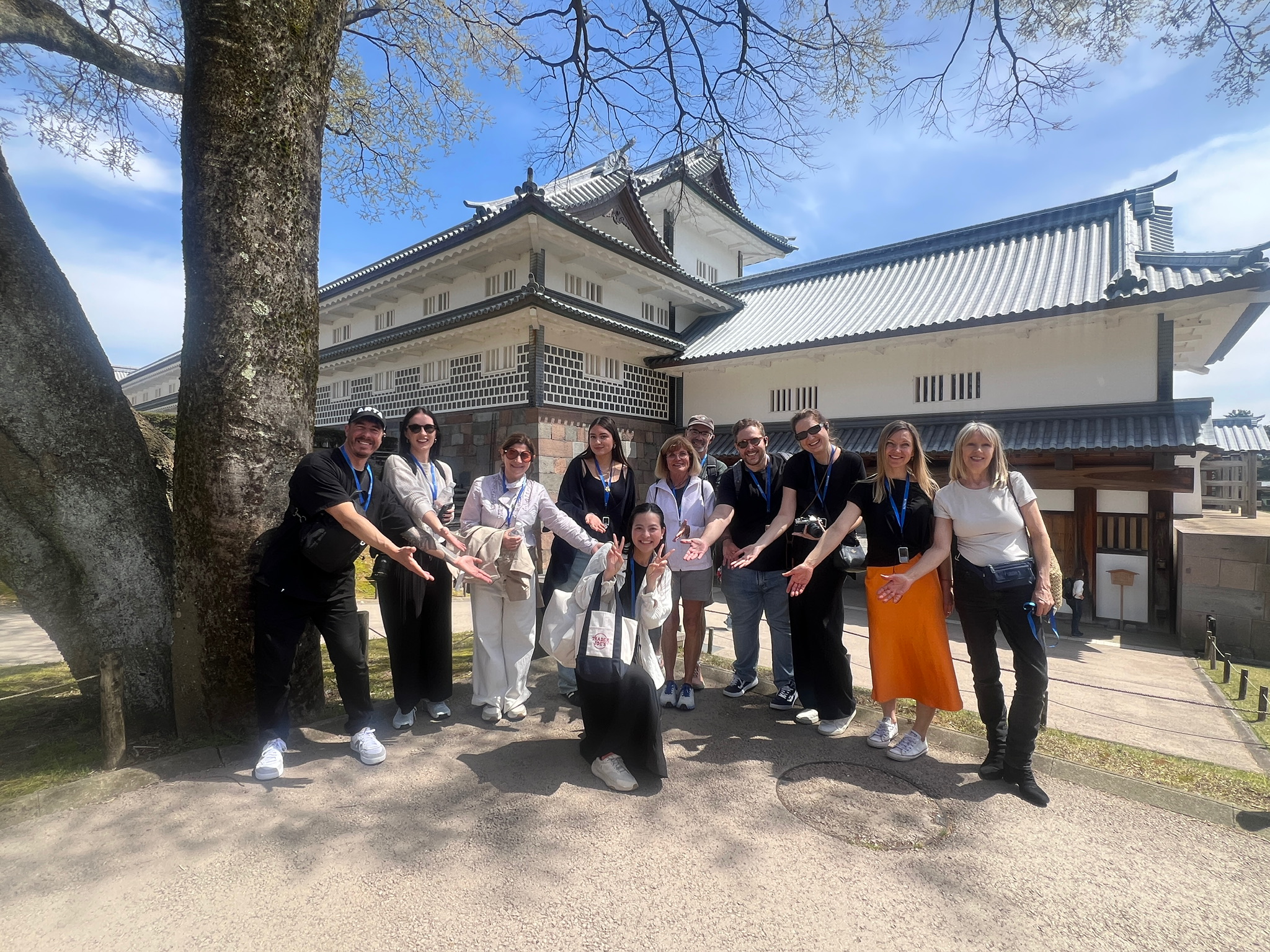
Beside Kenrokuen, the castle grounds reveal the political center of the Maeda clan. Look beyond the main gate: reconstructed buildings, defensive design and stone walls from different periods explain how the castle evolved. Pairing castle and garden makes the history easier to understand and avoids unnecessary travel. Check current access and building hours on the official Kanazawa Castle Park page.
3. Walk Through Nagamachi Samurai District
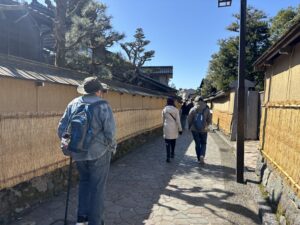
Nagamachi’s earthen walls, canals and narrow lanes preserve the structure of the former samurai neighborhood. It is a living district rather than a theme park, so quiet exploration is part of its appeal. The streets become more meaningful when you understand how rank, waterways and proximity to the castle shaped daily life. The official Nagamachi walking guide provides a useful area overview.
4. Visit the Nomura Samurai Residence
Inside Nagamachi, this restored residence provides an intimate view of architecture, family artifacts and a compact garden hidden behind the district walls. Allow 30–45 minutes and verify current opening conditions on the official Nomura Samurai Residence listing before building it into a tightly timed day.
5. Eat Your Way Through Omicho Market

Omicho has supported Kanazawa’s kitchens for more than 300 years. Seafood draws attention, but vegetables, fruit, prepared dishes and regional ingredients show that this remains a working market. Arrive earlier for the liveliest atmosphere and stay flexible: availability, queues and shop holidays change.
Use the official Omicho Market guide for current information, or join our Omicho food tour to understand what is seasonal and how locals use the market.
6. Taste Kanazawa’s Local Food
Look for seafood from the Sea of Japan, sweet shrimp, yellowtail, seasonal crab, nodoguro, Kaga vegetables, Kanazawa oden, wagashi and local sake. The best order is often what is good that day, not a fixed checklist.
Where to eat by area
- Omicho Market: breakfast or lunch, seafood and market dishes.
- Higashi Chaya: matcha, wagashi and daytime cafés.
- Korinbo and Katamachi: dinner, sushi, Kanazawa oden, izakaya and bars.
- Kanazawa Station: convenient for late arrivals, departures and varied dietary needs.
Restaurant hours and closures change frequently. Treat these as dining areas rather than a permanent ranking, and check the venue’s latest information on the day.
7. Wander Through Higashi Chaya District

Kanazawa’s best-known teahouse district has rows of traditional wooden buildings, several museums, cafés, sweet shops and craft stores. Visit early for quieter photographs or later in the afternoon as the atmosphere softens. Respect residents, do not block narrow streets and check individual shop holidays. See the official Higashi Chaya District information for current visitor guidance.
8. Walk Along the Asano River and Kazuemachi
Continue from Higashi Chaya to the Asano River and smaller Kazuemachi district. Riverside buildings and narrow lanes make this one of the city’s most atmospheric walks, especially near dusk. Some lanes are residential or private; follow signs and keep voices low.
9. Visit Oyama Shrine
Oyama Shrine’s distinctive gate combines Japanese, Chinese and European influences. Its central position makes it a natural stop between Omicho, the castle and Nagamachi. Allow time for the garden and architectural details instead of treating it only as a photo stop. Practical access information is available on the official Oyama Shrine listing.
10. See the 21st Century Museum of Contemporary Art
The circular museum represents Kanazawa’s modern creative side and balances a history-heavy itinerary. Exhibitions, ticketing and closures change, so check the official museum website. Even when you do not enter every exhibition, the surrounding cultural zone works well with Kenrokuen.
11. Try a Traditional Craft
Gold leaf, Kaga Yuzen dyeing, lacquerware, ceramics and metalwork are part of Kanazawa’s identity. A hands-on workshop can turn an abstract craft tradition into a memorable experience, particularly on rainy or snowy days. Reserve ahead when a specific workshop matters to your trip. Browse the city’s recognized traditions and craft background in the official Kanazawa craft guide.
12. Enjoy Wagashi and Matcha
Kanazawa’s tea culture is closely connected to seasonal sweets. A wagashi-and-matcha break is more than refreshment: color, shape and flavor express the season. Smaller sweet shops can be as rewarding as famous cafés, and a pause prevents a one-day itinerary from becoming rushed.
13. Explore Kanazawa on Foot
Walking reveals canals, small shrines, townhouses and daily life that buses pass too quickly. Walk within each historic area, then use a bus or taxi for longer jumps in bad weather. Comfortable shoes matter because stone paths can be slippery in rain or snow.
For a route with historical context, compare our Kanazawa walking tours or follow the detailed one-day Kanazawa itinerary.
14. Experience Kanazawa After Dark

Kanazawa is quieter than Tokyo or Osaka after dark, but that is part of its character. Katamachi, Kiguramachi and nearby lanes contain izakaya, restaurants and bars, while Kazuemachi and the castle area offer atmospheric evening walks. Ordering systems, seating customs and language vary by venue.
15. Explore with a Local Guide
Kanazawa is easy to enjoy independently. A local guide adds value when time is limited, when you want the story behind the scenery or when food and language feel uncertain. Amazing Tour Japan operates small-group walking experiences in Kanazawa and uses multilingual support to help international guests ask questions and take part in the same human-led experience.
Why trust this guide?
We plan and operate walking tours in Kanazawa, observe how visitors actually move through the city and update this article from field experience. No attraction or restaurant paid to be included. Official sources are linked where opening conditions or transport details may change.
One-Day Kanazawa Itinerary
| Time | Stop | What to do |
|---|---|---|
| 09:00 | Omicho Market | Breakfast, market walk and seasonal food |
| 10:30 | Higashi Chaya + Kazuemachi | Traditional streets and riverside walk |
| 12:30 | Kanazawa Castle | Gates, stone walls and Maeda history |
| 14:00 | Kenrokuen | Garden walk and seasonal views |
| 16:00 | Oyama Shrine + Nagamachi | Shrine architecture and samurai lanes |
| 18:00 | Katamachi | Dinner or evening tour |
This is a realistic framework, not a race. In rain, snow or summer heat, remove one stop and use buses or taxis between areas. If a museum or workshop is essential, reserve time for it rather than adding it on top.
Self-Guided or Guided?
| Explore independently | Go with a local guide |
|---|---|
| Maximum flexibility | A route adjusted to time and interests |
| Lower upfront cost | Historical and cultural context |
| Research details yourself | Ask questions in real time |
| Find alternatives when busy | Local help with food, customs and changes |
Many travelers combine both: take a guided experience for one part of the city, then continue independently with better context.
Frequently Asked Questions
What should I not miss in Kanazawa?
For a first visit, do not miss Kenrokuen, Kanazawa Castle, Omicho Market, Higashi Chaya and Nagamachi. Together they cover the city’s garden culture, samurai history, food and traditional townscape.
Is Kanazawa worth visiting?
Yes. It offers major cultural sights in a compact, walkable city and feels distinctly different from Tokyo, Osaka and Kyoto.
Is one day enough?
One full day is enough for five or six highlights on a well-planned route. Two days are better for crafts, museums, food and a less rushed pace.
Can you walk around Kanazawa?
Yes. Walk within central sightseeing zones and use buses or taxis for longer transfers or poor weather. Many major sights are concentrated around the castle.
What are unique things to do in Kanazawa?
Try a gold-leaf or Kaga Yuzen workshop, explore the quieter Kazuemachi lanes, compare the castle’s stone walls, taste seasonal Sea of Japan seafood and join a local evening experience.
What can I do when it rains?
Prioritize the 21st Century Museum, samurai residences, craft workshops, tea experiences and Omicho Market. Use buses between areas and take care on stone streets.
What food is Kanazawa famous for?
Seafood, sushi, sweet shrimp, seasonal crab, nodoguro, Kaga vegetables, Kanazawa oden, wagashi and local sake are widely associated with the city.
Do I need to book in advance?
Major outdoor sights usually allow flexible planning, but popular restaurants, workshops, museums and guided tours may require or benefit from reservations. Check official information before travel.
Plan Your Kanazawa Experience
The best visit is not the one with the most checkmarks. It is the one that connects the castle, garden, samurai districts, food and crafts into a story you understand. Choose a route that matches your time and leave space for discovery.
Choose a tour by what you want to understand
Pick one focused experience rather than booking a tour simply because it is popular. Check the route, duration and current availability first.
- Best Kanazawa Food Tour: Eat Your Way Through Omicho Market with a Local
- Kanazawa in Winter: Snow, Weather & What to Wear (2026)
関連記事
-
 Amazing Tour Japan 採用情報|新テナントの立ち上げメンバー募集
 -
Kanazawa Samurai District (Nagamachi): Walking Map, Sights & Local Tips
-
Kanazawa 2-Day Itinerary: The Perfect First-Time Route (2026)
-
Tesla Cybercabがもたらす観光革命――ロボタクシーは日本の「観光の足」を救えるか
-
Kanazawa en une journée : itinéraire, carte et visite en français
-
Kanazawa en un día: itinerario, mapa y tour en español
-
Kanazawa in un giorno: itinerario, mappa e tour in italiano
-
Kanazawa at Night: Best Things to Do, Izakaya Areas & Local Tips