Kanazawa in Winter: Snow, Weather & What to Wear (2026)
Will there be snow during your visit?
Possibly—but snow cover in central Kanazawa is never guaranteed for a specific date. Plan for wet surfaces first and treat fresh snow as a bonus. Check a live forecast shortly before travel and use waterproof footwear with reliable grip.
Cold rain, sleet and occasional snow are all possible.
Best chance of snow, with rapid changes and wet streets.
Waterproof shoes, layers, an umbrella and a flexible indoor backup.
Kanazawa in winter is atmospheric, delicious and unpredictable. You may see snow-covered gardens and historic streets, but central Kanazawa is not continuously buried in snow. The best winter plan works whether the day brings snow, rain, hail or clear skies.
Quick answer: bring waterproof shoes with reliable grip, dress in adjustable layers, carry an umbrella, and never build your entire itinerary around guaranteed snowfall.
This guide covers December to February weather, what to wear, winter highlights, food and practical routes for international visitors.
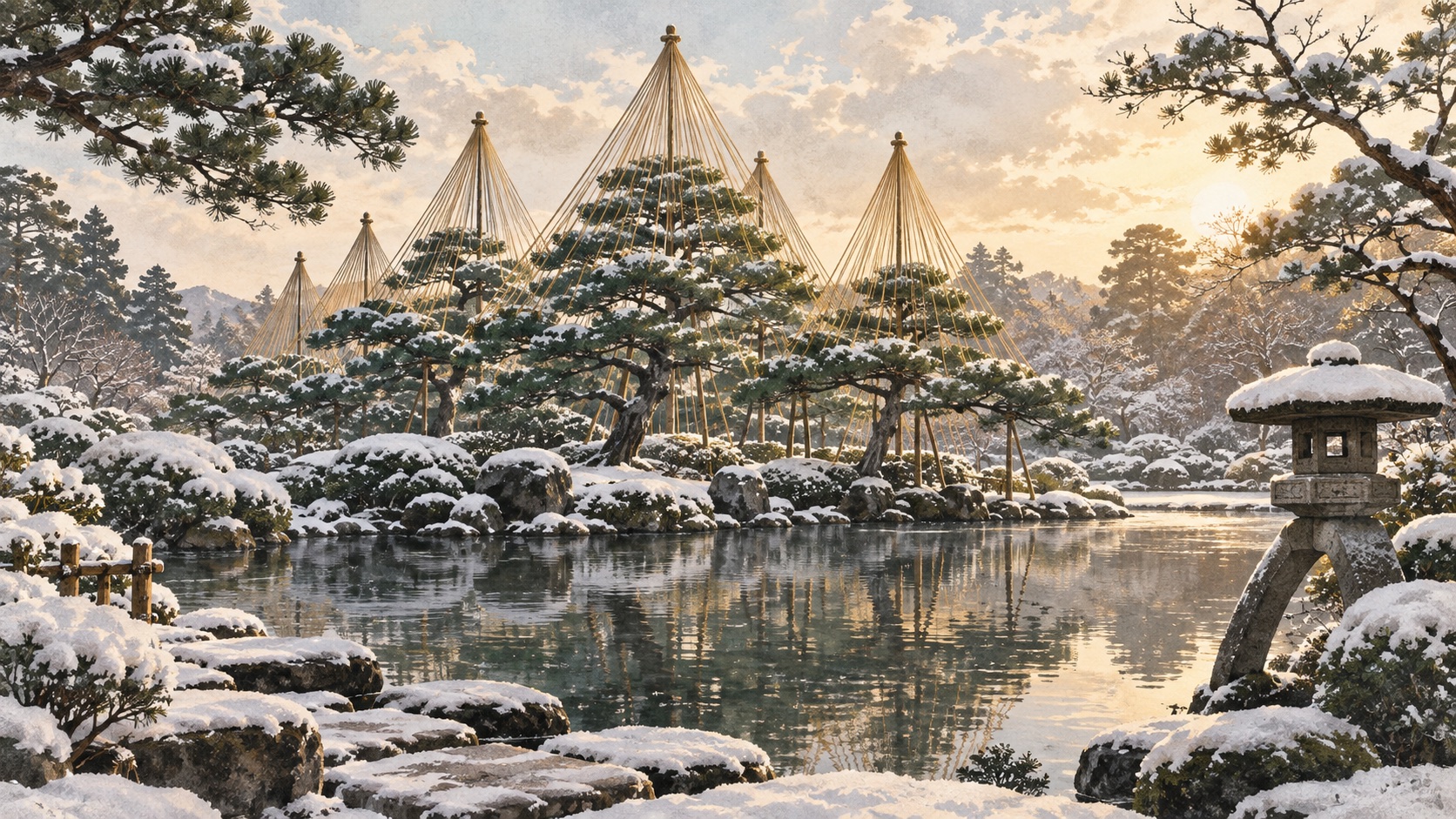
Opening image: editorial illustration of Kenrokuen in winter, not a photograph. Actual snowfall varies.
Does It Snow in Kanazawa?
Yes, Kanazawa receives snow, but the amount in the city center changes greatly from day to day and year to year. Snow may fall and melt, while roads remain wet because of changing temperatures and snow-melting systems.
The official tourism guide notes that winter can bring sudden thunder, hail and snow—a local weather pattern sometimes associated with buri-okoshi, or “yellowtail-waking thunder.” The important lesson is not to fear the weather, but to prepare for rapid changes.
What Is the Weather Like by Month?
December
Yukitsuri and seasonal food bring winter character even before snow settles. Early December can still feel like late autumn; later conditions are colder and less predictable.
January
A strong month for winter atmosphere, but not a snow guarantee. Prepare for cold rain, wet pavement, clear intervals and occasional heavier weather.
February
Winter continues, with possible snowfall and cold days. Even as the season shifts, keep waterproof layers and flexible travel plans.
Do not treat average climate data as a forecast. Check the Japan Meteorological Agency and local transport notices shortly before and during your trip.
What to Wear
Stay dry and steady
- Waterproof shoes with grip for wet stone, slush and occasional ice.
- Weather-resistant outer layer over a warm base and sweater.
- Compact umbrella for fast-changing conditions.
Make long walks easier
- Gloves and scarf for exposed garden and castle paths.
- Dry socks as a simple backup after a wet morning.
- Flexible schedule with an indoor stop and extra transfer time.
Avoid smooth-soled fashion shoes. The common problem is not only deep snow; it is water, slush and slippery surfaces.
Best Things to Do in Winter
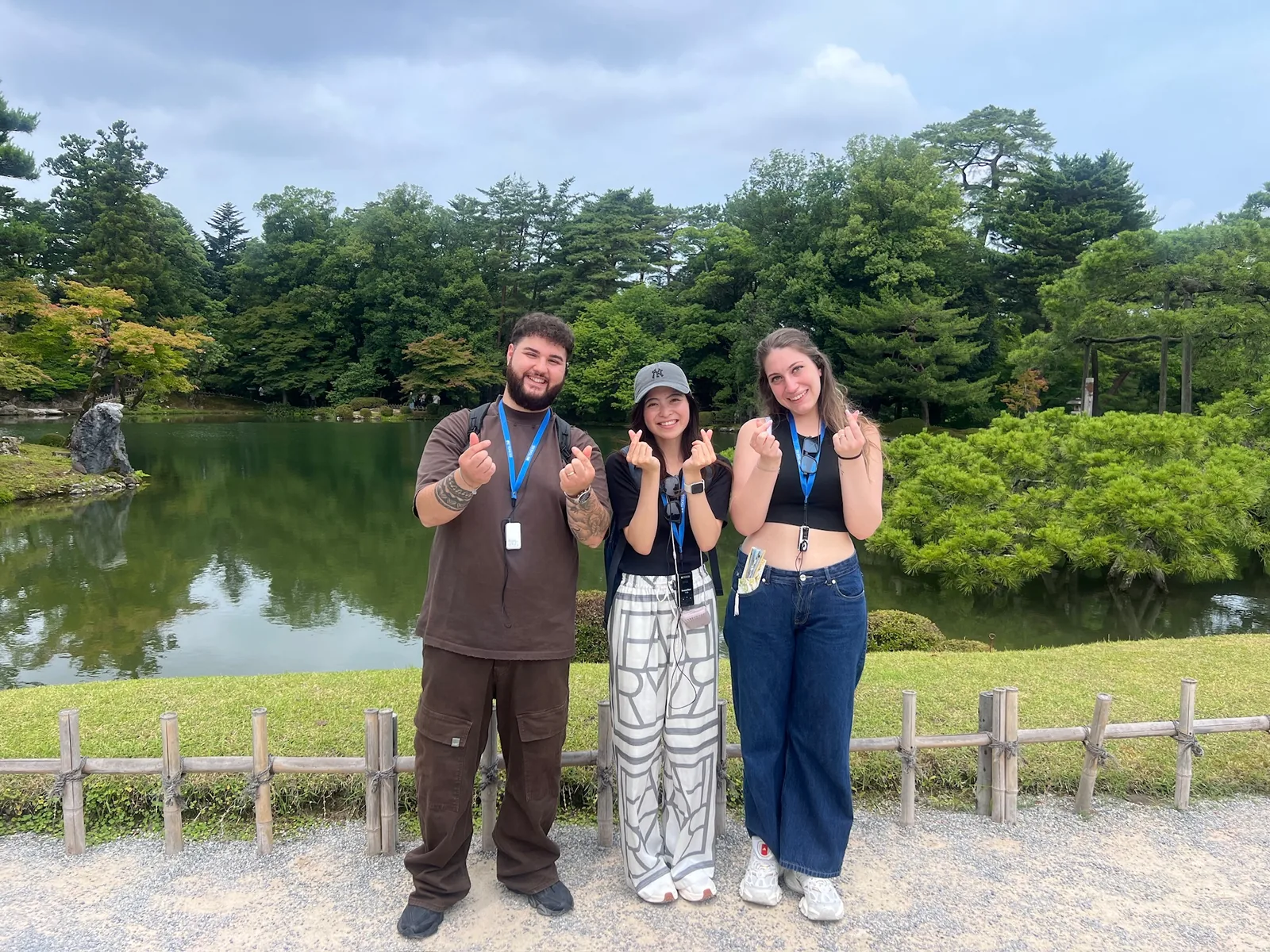
See Yukitsuri at Kenrokuen
Yukitsuri ropes protect tree branches from heavy snow and create one of Kanazawa’s defining winter scenes. The geometric forms are worth seeing even when no snow is present.
Use our Kenrokuen Garden guide to plan a route and confirm current hours.
Explore Kanazawa Castle in Winter Light
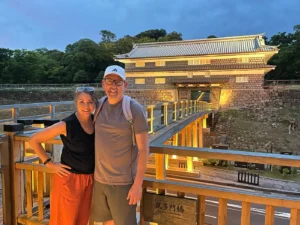
White reconstructed walls, stone ramparts and dark pines suit winter weather. Snow can be beautiful, but rain and mist also emphasize the textures of the castle.
See the practical Kanazawa Castle guide for entrances and highlights.
Walk Nagamachi Samurai District
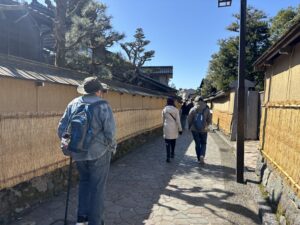
Earthen walls and narrow lanes become especially atmospheric in winter. Some walls may be protected with traditional straw coverings. Move slowly and avoid blocking residents when taking photographs.
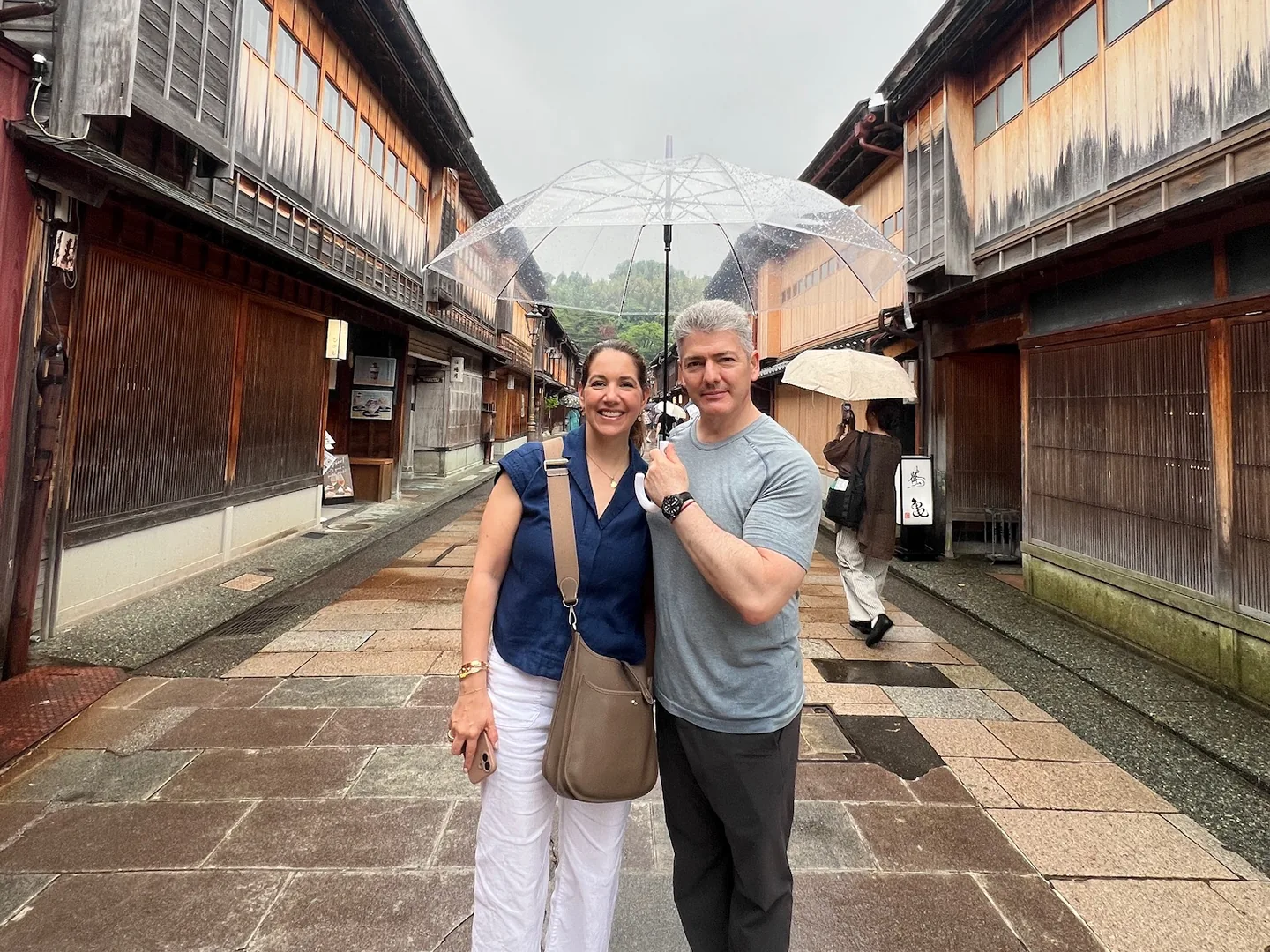
Visit Higashi Chaya District Early
Morning gives you the best chance of quieter wooden streets. In rain or snow, the district can feel dramatic, but respect private buildings and do not photograph working geisha without permission.
Read our Higashi Chaya District guide for etiquette and a walking route.
Use Museums as Weather-Proof Anchors
Plan at least one indoor cultural stop each day. Museums, craft facilities and historic interiors let you continue sightseeing when outdoor conditions are uncomfortable. Check current closure days and ticketing before visiting.
Winter Food in Kanazawa
Winter is a major reason to visit Kanazawa. Seasonal seafood from the Sea of Japan, warming oden, rich local dishes and hot tea make bad weather feel like part of the trip.
- Crab: availability, species and fishing seasons vary; choose current local offerings.
- Yellowtail: associated with winter and the Sea of Japan.
- Kanazawa oden: warming broth with local interpretations.
- Sushi and seafood: ask what is best that day rather than ordering only famous names.
- Kanazawa curry: a filling casual meal after walking in cold weather.
- Matcha and sweets: a quiet indoor break in a historic district.
For a broader introduction, see our Kanazawa food guide and market tour article.
Will Buses and Trains Run in Snow?
Public transport is designed for Hokuriku weather, but heavy snow, wind or operational issues can still cause delays and cancellations. Check official railway and bus information before departure, especially when connecting to a flight or long-distance train.
Leave extra time on your final day. A tight transfer that works in mild weather may become stressful during a winter disruption.
Walking Safely
- Take shorter steps on snow, slush and wet stone.
- Use handrails and avoid dark patches that may be ice.
- Do not walk in the road to avoid puddles.
- Keep distance from roof edges where snow or water may fall.
- Allow more time between attractions.
- Change plans if official warnings or transport disruptions escalate.
A Flexible One-Day Winter Itinerary
Plan one outdoor highlight and one indoor visit, then add more only if the weather allows. The following times are a suggested pace, not a guided-tour schedule. Check opening calendars before setting out, especially around New Year.
Kenrokuen + castle area
Prioritise yukitsuri and one short castle-area walk. Allow extra time on wet or icy paths; do not try to visit every paid interior.
One indoor cultural stop
Choose the Ishikawa Prefectural Museum of History or the 21st Century Museum of Contemporary Art. Check tickets and closures first.
Lunch + dry-off break
Stay around Hirosaka or Korinbo, rather than crossing town only to eat.
Nagamachi, if paths are comfortable
Keep the neighbourhood walk short. Our Kanazawa walking map helps with orientation, but shorten its wider route in winter.
Leave room to change plans
Take a café break or return to your hotel if conditions worsen. Higashi Chaya is an optional separate outing, not a mandatory last stop.
If rain or snow makes walking unpleasant: skip the garden-and-castle circuit, start with your chosen museum when it opens, have lunch nearby, then decide whether a short Nagamachi walk is sensible. Use transport for longer transfers rather than following a summer walking route. During severe weather, check official warnings and transport updates and stay put when advised; an indoor attraction is not a reason to make an unsafe journey.
Before choosing the art museum: its exhibition zone normally closes on Mondays, with holiday exceptions. Public areas and ticketed exhibitions have different access rules. Consult the museum’s visitor information rather than assuming every artwork is available on your day.
What If There Is No Snow?
Your trip is not ruined. Yukitsuri, winter seafood, quiet gardens, dramatic rain and indoor culture still make Kanazawa distinctive. Snow should be treated as a possible bonus, not a product you have purchased.
If deep snow is your main objective, research higher-elevation or designated heavy-snow areas and current transport conditions. Do not make an unplanned journey during severe weather.
Is a Winter Walking Tour Worth It?
A local guide can adapt the order of sights to weather, suggest indoor breaks and explain seasonal features that are easy to miss. A guided tour is most useful when you want cultural context without spending the morning redesigning your route.
Independent travel remains a good choice if you enjoy changing plans and checking live transport information.
Frequently Asked Questions
What months are winter in Kanazawa?
For travel planning, December through February is the main winter period, although cold or snowy conditions can extend beyond exact calendar boundaries.
Is snow guaranteed?
No. Snowfall and accumulation vary. Plan for winter weather without expecting a specific snow scene on a specific day.
Do I need snow boots?
Waterproof shoes with grip are strongly recommended. Heavy snow boots may not always be necessary in the city center, but smooth or absorbent shoes are a poor choice.
Is Kanazawa worth visiting in winter?
Yes, especially for seasonal food, yukitsuri, quieter cultural sights and atmospheric streets. Flexibility is essential.
Can tours operate in winter?
Many experiences operate, but routes may change because of weather or facility conditions. Check the operator’s current policy and messages.
Final Advice
Winter rewards travelers who prepare well and let Kanazawa set the pace. Bring waterproof shoes, leave room in the schedule, alternate outdoor beauty with indoor culture, and enjoy whatever weather the Sea of Japan sends that day.
Official Sources
- Winter in Kanazawa: December–February — Official Travel Guide
- Winter Attractions in Kanazawa — Official Travel Guide
- Japan Meteorological Agency
Information checked on September 15, 2026. Weather, events, transport and seasonal food availability change; verify live information before travel.
Keep the day flexible
A guided walk can be useful when weather changes the best route, but independent travel is also easy with the live forecast and official visitor information.
関連記事
-
 Amazing Tour Japan 採用情報|新テナントの立ち上げメンバー募集
 -
Kanazawa Samurai District (Nagamachi): Walking Map, Sights & Local Tips
-
Kanazawa 2-Day Itinerary: The Perfect First-Time Route (2026)
-
Tesla Cybercabがもたらす観光革命――ロボタクシーは日本の「観光の足」を救えるか
-
Kanazawa en une journée : itinéraire, carte et visite en français
-
Kanazawa en un día: itinerario, mapa y tour en español
-
Kanazawa in un giorno: itinerario, mappa e tour in italiano
-
Kanazawa at Night: Best Things to Do, Izakaya Areas & Local Tips