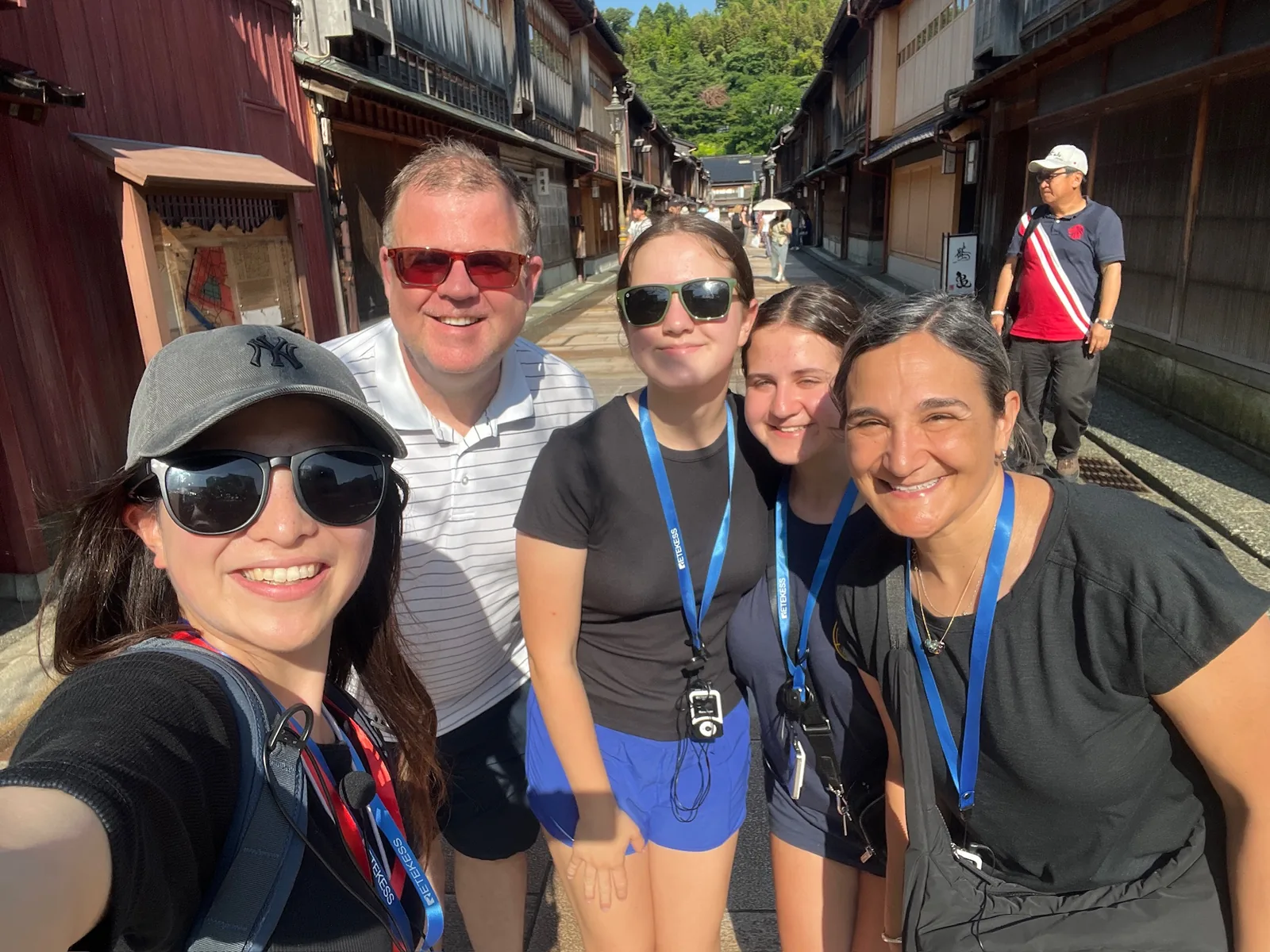
Higashi Chaya District, Kanazawa: Map & Things to Do
Kanazawa local guide
Kanazawa’s largest historic teahouse district—wooden chaya buildings, fine latticework, craft shops and living geiko culture beside the Asano River.
The short answer: the public streets are free and have no fixed opening hours. Most shops operate roughly from 10:00 to 17:00. Allow about one hour for the streets, or two hours with a historic interior, tea or shopping.
First, know the difference
Higashi is the broad main district. Kazuemachi is the quieter riverside contrast.
They are close enough to visit on one walk, but they should not be treated as the same place.
Higashi Chaya
Broader streets, the best-known chaya façades, craft shops, cafés, Shima, Kaikaro and side lanes leading toward Utasu Shrine.
Kazuemachi
A narrow riverside district with working teahouses, intimate lanes and the atmospheric Akari-zaka and Kuragari-zaka slopes.
What to see
Look beyond the famous main street.
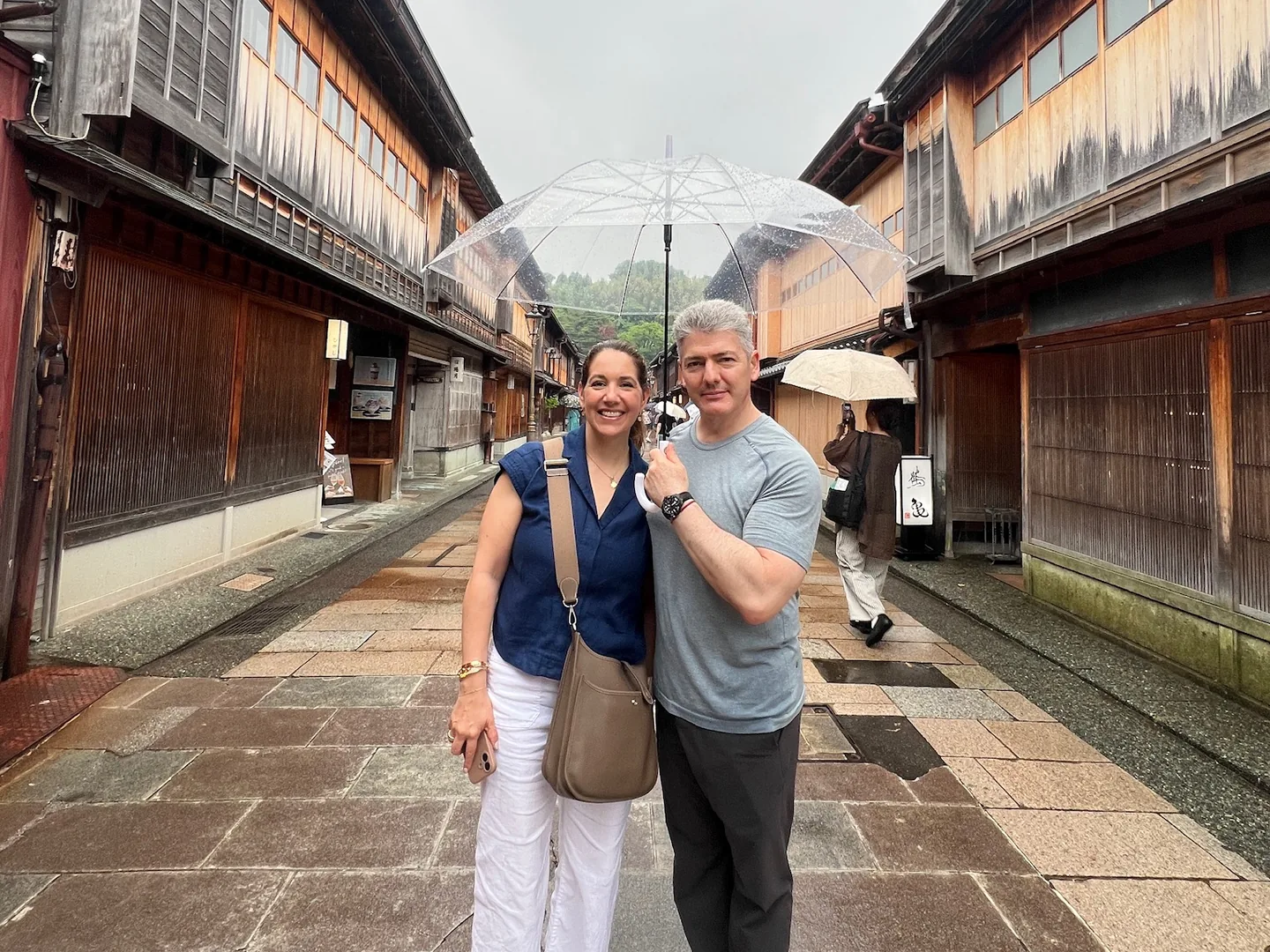
The district becomes more meaningful when you connect the street view, one historic interior, the shrine-side lanes and the Asano River.

Choose by time
One hour or two?
Do not try to enter every shop. Choose the version that fits the rest of your Kanazawa day.
Street and river loop
- Asanogawa Ohashi approach
- Higashi main street and side lanes
- Utasu Shrine exterior
- Kazuemachi riverfront
Best for photos and orientation
Interior and local culture
- The complete one-hour route
- Choose Shima or Kaikaro
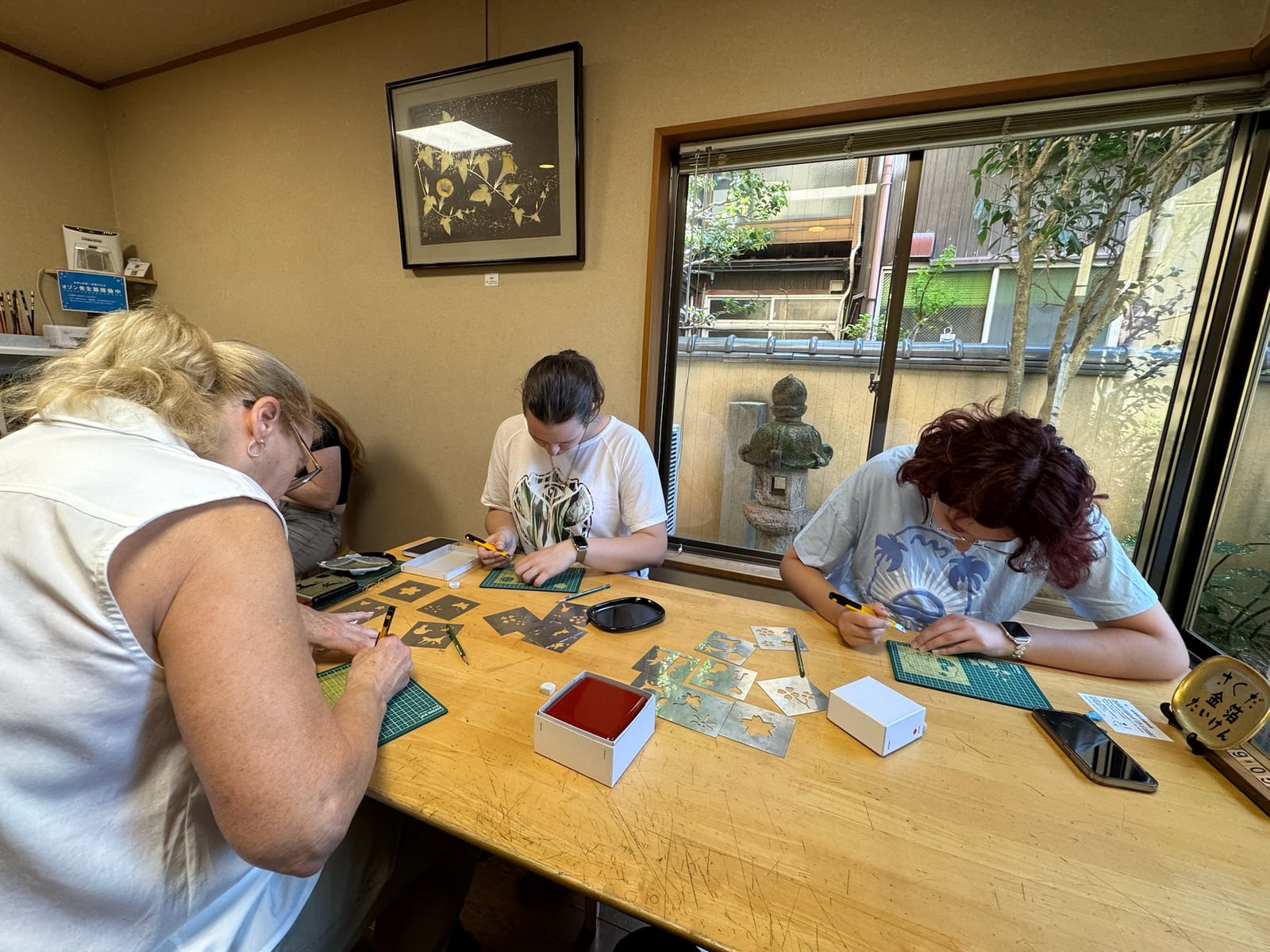
- Add tea, sweets or one craft stop
- Finish at the Kazuemachi slopes
Recommended first visit
Numbered walking route
Walk from the river through Higashi, then finish in Kazuemachi.
The five numbered places below match the Google Maps route exactly. Higashi Main Street and Kannon-machi are experienced between verified pins rather than added as unreliable map locations.
Suggested route
- 01
Asanogawa Ohashi BridgeSee how Higashi and Kazuemachi sit on opposite sides of the river.
- 02
Shima ChayaWalk Higashi Main Street, read the latticework and enter this preserved chaya if it suits your plan.
- 03
Utasu ShrineLeave the busiest axis and see the shrine-side edge of the district.
- 04
Kazuemachi Chaya DistrictReturn via Kannon-machi, cross the river and compare the narrower teahouse lanes.
- 05
Akari-zaka SlopeFinish at the atmospheric slope that connects Kazuemachi to Owari-cho.
Allow about one hour for the streets and photo stops. Paid interiors, cafés and workshops are additional visit time.
About 1.2 km / 17 minutes between the five pins, excluding visits. The order may change with weather, opening hours and local conditions.
Paid historic interiors
Shima or Kaikaro—which one should you enter?
Both reveal what cannot be understood from the street. Choose one unless historic interiors are the main purpose of your visit.
Shima
Best for preserved Edo-period structure
Kaikaro
Best for decorative chaya interiors
Best time to visit
Choose quiet streets—or open shops.
Quietest
Best for architecture and photographs. Most shops and interiors are closed.
Best balance
Walk before the busiest period, then enter Shima from 9:30 or shops from around 10:00.
Most active
Best for cafés, crafts and shopping, but the main street is usually busier.
Atmosphere
The public streets remain accessible, but most visitor facilities are closed.
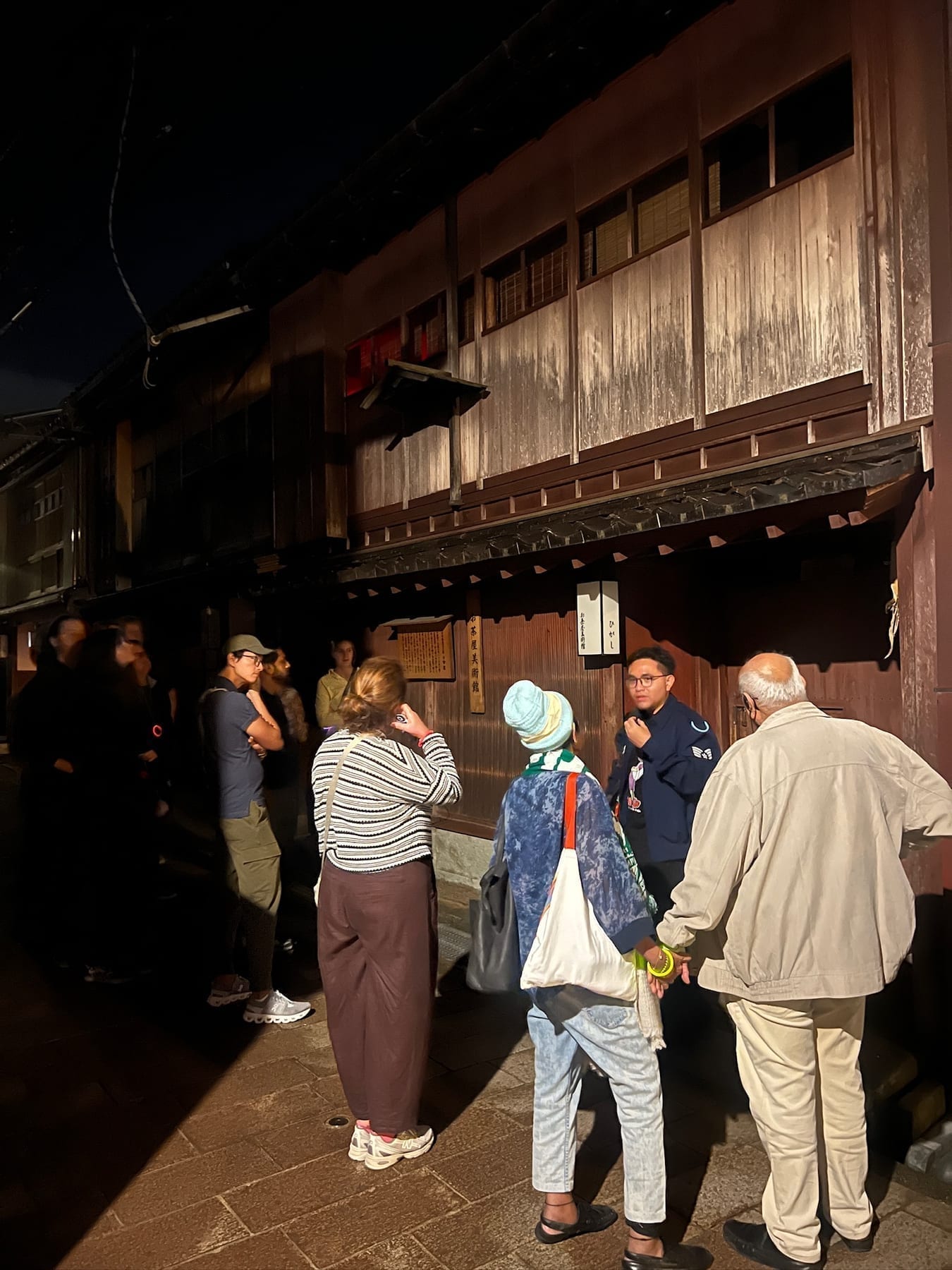
Higashi Chaya at night
Worth visiting for atmosphere—not for daytime attractions.
After the shops close, the wooden façades and riverside lanes become quieter and more cinematic. It is a good time for a respectful walk, especially when combined with Kazuemachi.
How to get there
Use Hashiba-cho as the practical starting point.
Right Loop Bus
Depart from East Exit bus stop 7. The current timetable reaches Hashiba-cho in about 12 minutes. Adult fare: ¥220.
About 5 minutes on foot
The exact bus stop position varies by route. Head toward Asanogawa Ohashi Bridge to orient yourself.
About 30 minutes
Higashi Chaya is roughly 2 km from Kanazawa Station. Walking works in good weather, but the bus saves time.
A living neighbourhood
Respect makes the visit better.
Do not treat the preserved streets as an eat-while-walking zone. Use the shop’s indoor or designated eating space.
Keep doorways clear, never enter private property and do not photograph through windows or open doors.
They are working professionals, not street performers. Do not follow, block or photograph anyone without permission.
Is it worth visiting?
Yes—but choose the experience you actually want.
The district is easy to visit independently. A guide is valuable when the meaning behind the buildings matters as much as the photographs.
Explore independently when…
You mainly want photographs, shopping, tea and a flexible one-hour walk. Use the numbered route and check each facility before you go.
Choose a local guide when…
You want to understand the lattice, second-floor rooms, geiko culture, river geography and why Higashi feels different from Kazuemachi.
Quick answers
Frequently asked questions
Is Higashi Chaya District free?
Yes. Walking the public streets is free. Shima, Kaikaro, museums, workshops, food and performances may charge separately.
Does Higashi Chaya District have opening hours?
The district itself has no fixed opening hours. Most shops operate roughly from 10:00 to 17:00, while individual facilities use their own schedules.
How long should I spend?
Allow about one hour for the streets and nearby Kazuemachi, or around two hours if you enter a historic chaya and stop for tea or shopping.
Can I visit at night?
Yes, the public streets remain accessible. Visit for quiet atmosphere and exterior views, not for shops or museums, and keep noise low in the residential area.
Will I see geiko?
Do not expect to encounter geiko in the street. Use public performances or organised cultural programmes when seeing the traditional arts is important to your trip.
Is it suitable in rain or snow?
Yes, but stone and historic paving can be slippery. Wear shoes with grip, allow more time and use an interior visit as a weather break.
Explore with Amazing Tour Japan
See the street. Understand the culture behind it.
If your main goal is photography, shopping and a relaxed walk, use the self-guided route above. A local guide becomes more useful when you want to understand why the lattice, rooms, river crossing and narrow lanes were designed as they were.