Best Restaurants in Kanazawa: Where to Eat by Area & Budget
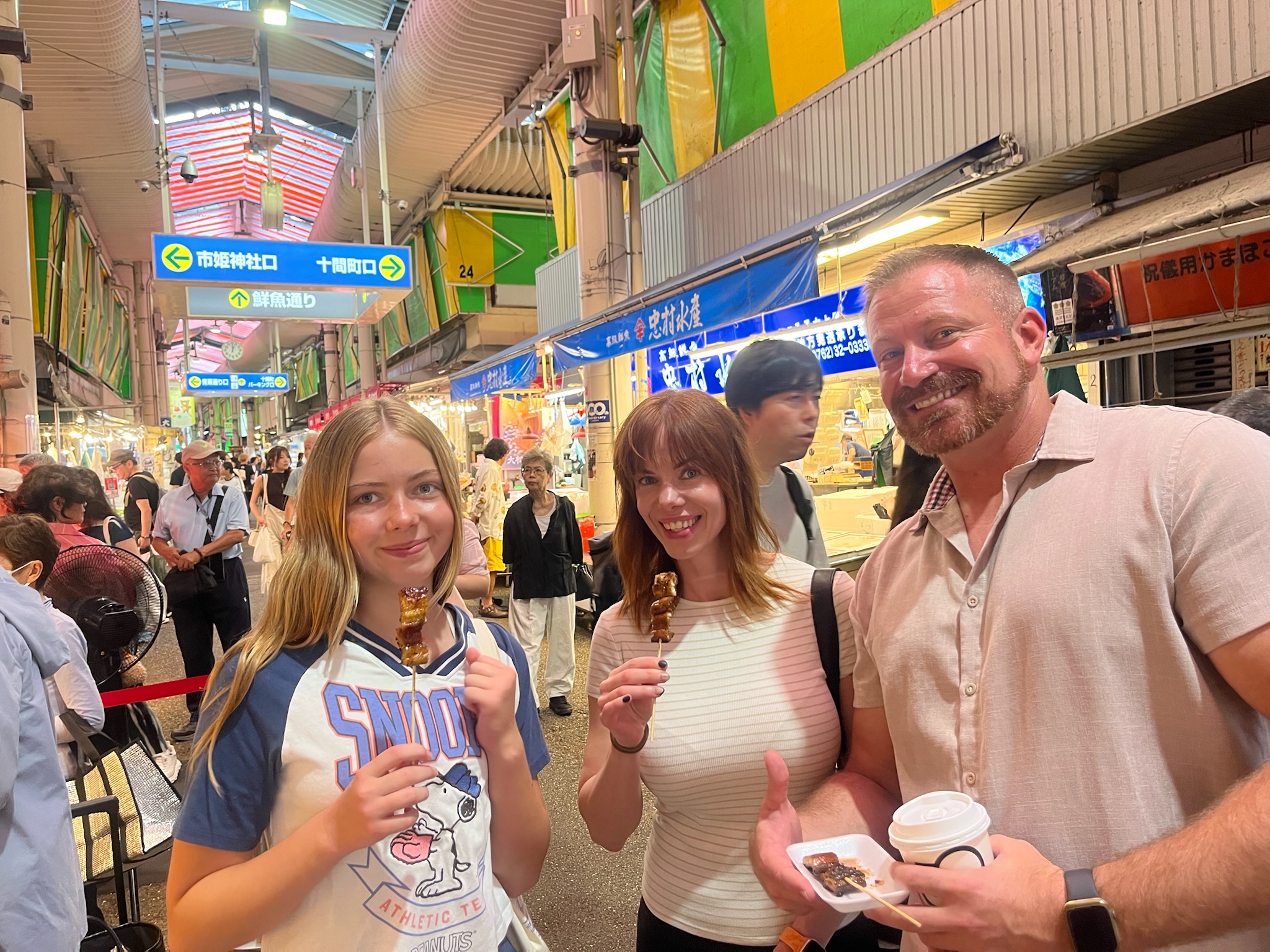
Pick an area before picking a restaurant
Your best restaurant choice depends on where you will finish sightseeing, how much you want to spend and whether you can reserve. Start with the neighborhood comparison below; then check the restaurant’s current opening hours, menu and dietary support directly.
Seafood, market energy and casual lunch; many businesses close earlier.
The widest dinner choice, from casual izakaya to higher-end dining.
Tea and sweets in a historic setting; evening choices are limited.
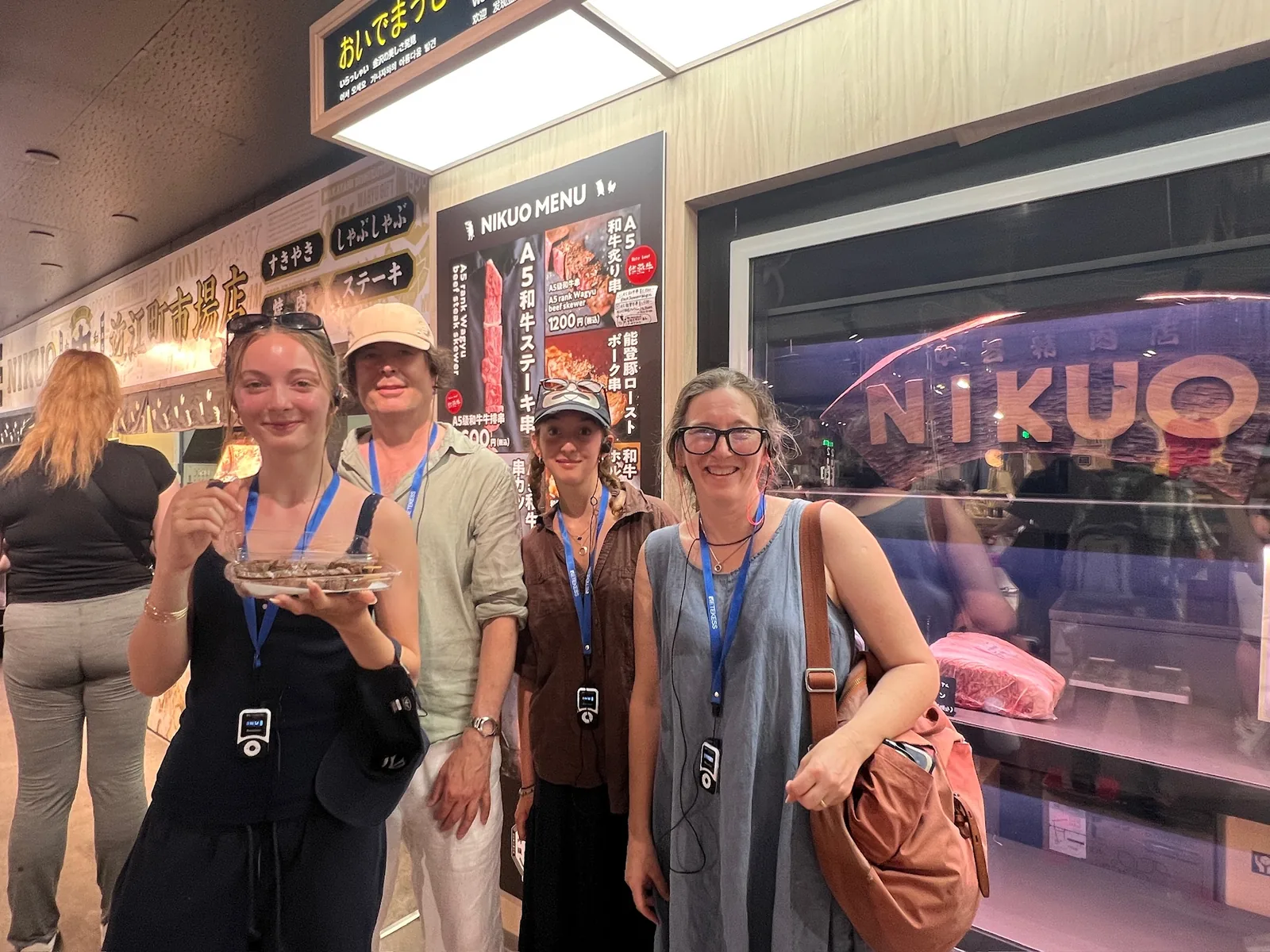
Local context: Use this guide to narrow the area first, then confirm current details with the venue.
Where should you eat in Kanazawa? Choose Omicho Market for seafood and daytime energy, Korinbo–Katamachi for the widest dinner choice, Kiguramachi for intimate izakaya streets, and Higashi Chaya for tea and sweets. This local guide helps you choose by area, budget and travel style instead of relying on a list that may be outdated.
Amazing Tour Japan operates walking and food-focused experiences in Kanazawa. The guidance below is based on how travelers actually move through the city. Restaurant hours, menus and dietary support change, so confirm directly before visiting. Last reviewed: September 2026.
Where to eat in Kanazawa: quick comparison
| Area | Best for | Best time | Plan ahead? |
|---|---|---|---|
| Omicho Market | Seafood, sushi, market snacks | Breakfast–lunch | Expect queues at popular counters |
| Korinbo / Katamachi | Izakaya, sushi, bars, broad choice | Dinner–late evening | Reserve special dinners |
| Kiguramachi / Shintenchi | Small local bars and izakaya atmosphere | Evening | Small venues fill quickly |
| Higashi Chaya | Matcha, wagashi, cafés | Daytime–early evening | Many places close earlier than nightlife areas |
| Kanazawa Station | Convenience, last meal before departure | All day | Useful fallback in bad weather |
What food is Kanazawa famous for?
- Seafood and sushi: seasonal catches from the Sea of Japan.
- Jibuni: a traditional simmered dish commonly associated with Kaga cuisine.
- Kaga vegetables: local produce used in seasonal dishes.
- Kanazawa oden: warming simmered ingredients, especially appealing in cooler weather.
- Wagashi and matcha: sweets connected with Kanazawa’s tea culture.
- Local sake: ask about serving size and whether a tasting set is available.
Seasonality matters. A “must-eat” dish may not be at its best every month, so ask what is recommended that day rather than ordering only from a fixed online list.
Omicho Market: best for a daytime food stop
Omicho is convenient between Kanazawa Station and the castle area. It works well for seafood bowls, sushi and small tastings, but it is also one of the places where visitors most often underestimate queues. Arrive earlier, keep a second option in mind and avoid blocking narrow aisles while deciding.
Use the market as part of our Kanazawa walking route. Check current visitor information through the official Visit Kanazawa website.
Katamachi, Kiguramachi and Shintenchi: best for dinner
Katamachi is Kanazawa’s main evening dining area and offers the largest range of choices. Kiguramachi feels more compact and atmospheric, while Shintenchi has a narrow-lane nightlife character. Travelers who want to compare several venues on foot should begin around Katamachi and explore outward.
Small restaurants may have limited English signage and only a few seats. This does not mean visitors are unwelcome; it means reservations, clear group size and patience matter. See our guide to Kanazawa at night for area and transport planning.
How much should you budget?
| Budget | What to expect | Good strategy |
|---|---|---|
| Budget | Market snacks, casual noodles, simple set meals | Eat at lunch and compare displayed prices |
| Mid-range | Izakaya, sushi counters, local set menus | Reserve for groups or weekends |
| Special occasion | Kaiseki, premium sushi, private dining | Reserve well in advance and confirm cancellation terms |
Prices vary widely and online menus can be old. Confirm whether tax, drinks, service charges or an otoshi appetizer charge are included.
Izakaya etiquette for first-time visitors
- An otoshi is a small appetizer commonly served with a table charge.
- Some venues expect each person to order a drink or dish.
- Payment may be made at the register rather than at the table.
- Do not assume every small restaurant accepts international cards.
- If a venue is full, thank the staff and move to your backup option.
Vegetarian, vegan and allergy planning
“No visible meat” does not necessarily mean vegetarian: soup stock, sauces and bonito flakes can contain animal ingredients. For serious allergies, contact the restaurant in advance and explain cross-contamination requirements. A translation card is useful, but it is not a guarantee that a kitchen can safely accommodate every restriction.
- State ingredients you cannot eat, not only the name of the diet.
- Ask whether the restaurant can modify a set menu before reserving.
- Keep a convenience-store or station-area fallback for late arrival.
- For severe allergies, carry prescribed medication and seek professional advice before travel.
How to choose a restaurant without wasting your evening
- Choose the area based on your final sightseeing stop and hotel.
- Pick one preferred restaurant and two nearby alternatives.
- Check the restaurant’s own current website or social account on the day.
- Confirm reservation time, party size, payment and dietary needs.
- Allow time to return to Kanazawa Station after buses become less frequent.
Explore Kanazawa food with a local guide
You can enjoy Kanazawa independently. A local guide adds value when you want help understanding ingredients, ordering customs, neighborhood differences and the cultural background of what you eat. Amazing Tour Japan’s available experiences vary by date, so compare the live tour listings before booking.
Frequently asked questions
What is the best area for restaurants in Kanazawa?
Katamachi and nearby Kiguramachi offer the broadest dinner choice. Omicho Market is better for a daytime seafood visit.
Do I need restaurant reservations?
Not for every meal, but reservations are wise for small popular venues, groups, weekends and special-occasion dining.
Can solo travelers eat at an izakaya?
Yes. Counter-seat venues can work well for one person, though availability and ordering systems vary.
Are English menus common?
Some tourist-facing restaurants have them, but many small venues do not. Photos and translation tools can help; always clarify allergies directly.
Where should I eat before a late train?
Kanazawa Station is the safest convenient area when departure time matters. Leave enough time to collect luggage and reach the platform.
Prefer to discover food with a local?
A food-focused walk is an alternative to researching every restaurant. It is not necessary for travelers who already have reservations or a clear dining plan.
- Kanazawa vs. Takayama: Which Destination Should You Visit in Japan?
- Best Kanazawa Food Tour: Eat Your Way Through Omicho Market with a Local
Author of this article

関連記事
-
 Amazing Tour Japan 採用情報|新テナントの立ち上げメンバー募集
-
Kanazawa Samurai District (Nagamachi): Walking Map, Sights & Local Tips
-
Kanazawa 2-Day Itinerary: The Perfect First-Time Route (2026)
-
Tesla Cybercabがもたらす観光革命――ロボタクシーは日本の「観光の足」を救えるか
-
Kanazawa en une journée : itinéraire, carte et visite en français
-
Kanazawa en un día: itinerario, mapa y tour en español
-
Kanazawa in un giorno: itinerario, mappa e tour in italiano
-
Kanazawa at Night: Best Things to Do, Izakaya Areas & Local Tips